

“I need to visit the ocean at least once a year,” my friend Nellie casually remarked to me recently while we were on an epic 50th birthday trip to Gros Morne National Park.
“There’s something therapeutic and healing about it for me…the sounds, smells, energy,” she added. You may be surprised (or not) to learn that Nellie lives in downtown Toronto and she’s a nature lover and cares about the ocean. And she’s not alone. Polling shows Canadians across the country no matter where they live care about Canada’s ocean and coastal waters. Polling shows 88% of Ontarians are concerned about the health of our coastal waters and want to see levels of protected sea increased to 30%.

So while we may be a bit further away from the Atlantic and Pacific coasts, we still care and know that the ocean is vital part of our identity as Canadians.
But we are closer to the Arctic! Did you know that we have a 1,300 km seacoast along Hudson Bay and James Bay? And that our seacoast is larger than Hawaii’s? It’s a critical part of a proposed National Marine Conservation Area that Wildlands League has been working on since 2020.
Saltwater as medicine
Diana Beresford-Kroeger best-selling author and world-recognized scientist in the fields of medical biochemistry, botany and medicine writes:
Salt water itself is a miraculous medicine. It is the cauldron from which DNA began its long journey to land, and it remains safe and health-giving for every form of ocean life, both plant and animal. As a simple solution, salt water is a buffer. It’s chemical plasticity shields creatures from damage. It is a topical anti-inflammatory. Since ancient times, brine has been used to irrigate open wounds. Travelling to the ocean has long been considered a “cure”—a means to rebuild the constitution of those suffering from ill health and anxiety.
— From Our Green Heart, the Soul and Science of Forests, 2024.
I love walking along the ocean and I loved doing it in Newfoundland. I could do that forever but the last thing I want to do is dunk my head in the sea. Irony alert. I am someone working on marine conservation and I can’t stand the taste of salt water.
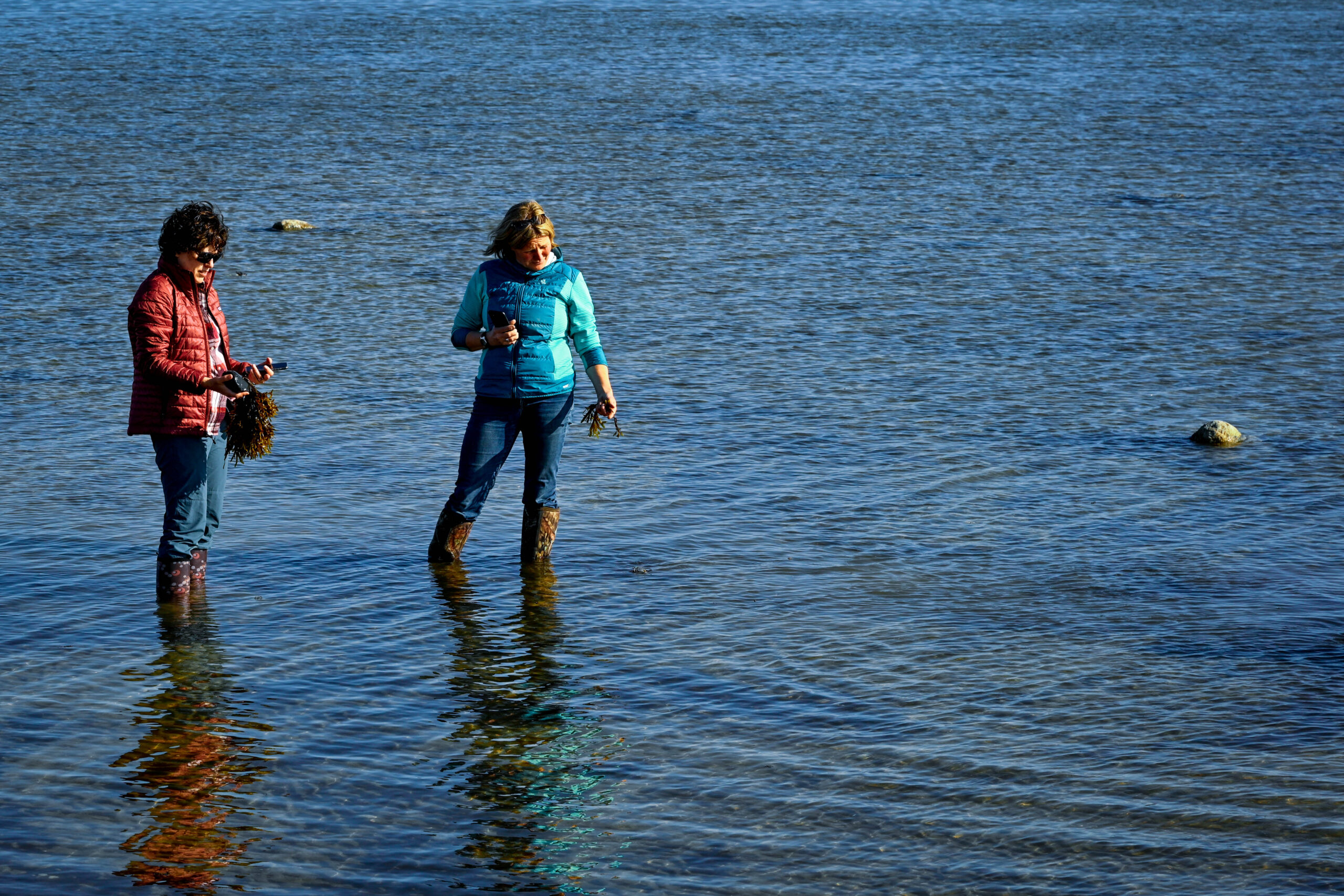
I was, however, pleasantly surprised a couple of years ago when I tasted the waters of James Bay. The locals refer to it as Weeneebeg. Weeneebeg’s water didn’t disturb my Georgian Bay palate. Weeneebeg tastes more like the salted water we boil pasta in at home and I could do that.
The Bay’s unique low salinity is a result of the massive inflow of freshwater from 6 major waterways including the Albany, Ekwan and Attawapiskat Rivers. These rivers’ inflow supports immense biological productivity in coastal marshes along the Bay making James Bay unique and teeming with marine and coastal life:
- a hemispheric hot spot for hundreds of species of breeding and migratory birds including key stopover areas for red knot, an endangered shorebird
- the world’s southernmost year-round population of polar bears and
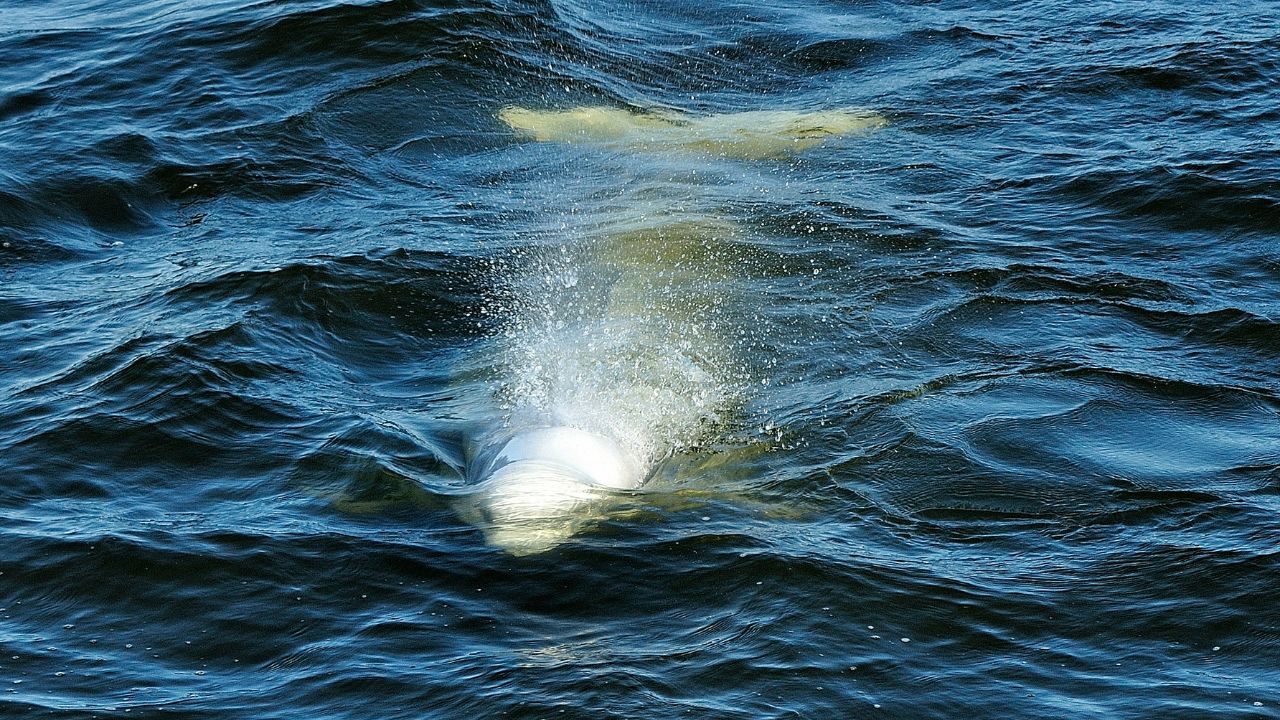
- vitally important habitat for belugas, making up 20% of Canada’s total
These belugas not only bathe in the open waters of James Bay and spend the winters under the ice but they also swim 20km up river and splash around there enchanting residents and visitors alike!
Conservation progress
This is why Wildlands League has been working with Indigenous communities and Parks Canada to protect western James Bay and southwestern Hudson Bay. Our role is to bring decades of conservation experience, longstanding relationships, technical capacity, science, mapping and public profile to help move the process forward.
And we are happy to report that the coastal communities and Parks Canada are in talks about how to design and finalize an establishment agreement. This would result in the waters being permanently protected with oil and gas exploration and exploitation, mining, dumping, and bottom trawling prohibited. Parks Canada and Omushkego communities would be equal partners in the decision-making.
What does this mean for the broader public? Canadians can have confidence knowing these unique partnerships are making real progress at protecting our ocean. They can also know that these places will be there forever for all of us.
We are sound advisors to the communities. We are honest brokers with governments. We are trusted conservation experts giving you the straight goods – all the while doing whatever it takes to ensure this magical, salty place, brimming with marine life and joy, is safeguarded forever.
Anna Baggio
Conservation Director
