

Expand Rouge National Urban Park to Include the Pickering Lands
For over fifteen years, Wildlands League has championed the creation and stewardship of the Rouge, Canada’s first National Urban Park. The Rouge provides habitat for over 42 species at risk, vital climate resilience, Class 1 farm lands, and sustainable tourism opportunities all within 100 km of 8 million Canadians.
Now, the Rouge has the potential to expand to include the Pickering Lands, formerly designated for an airport that was never built. These lands would help ensure continued protection of the ecological integrity of the Greater Rouge Ecosystem in the face of relentless development pressures.
In January 2025, Wildlands League, along with many other conservation organizations, farmers and Indigenous Nations celebrated the end of the Pickering airport threat which had hung over these lands for more than 50 years. We cheered the MPs who promised to transfer the Pickering Lands to Rouge National Urban Park. Almost 18 months later, Transport Canada is leading the deliberations on the Pickering Lands fate.
But the threat of urban development never rests. Developers are seeking the land for urban expansion, commercial and industrial uses, despite an oversupply of alternative lands already slated for development. The proposed ALTO high-speed rail, the widening of Highway 7, Northeast Pickering development and other infrastructure proposals all pose major additional risks for the area.
Transferring the Pickering Lands from Transport Canada to the Rouge, along with sufficient funding, will protect the lands under Parks Canada’s high standards. This is vital to protect ecological integrity and enhance security for the Greater Park Ecosystem.
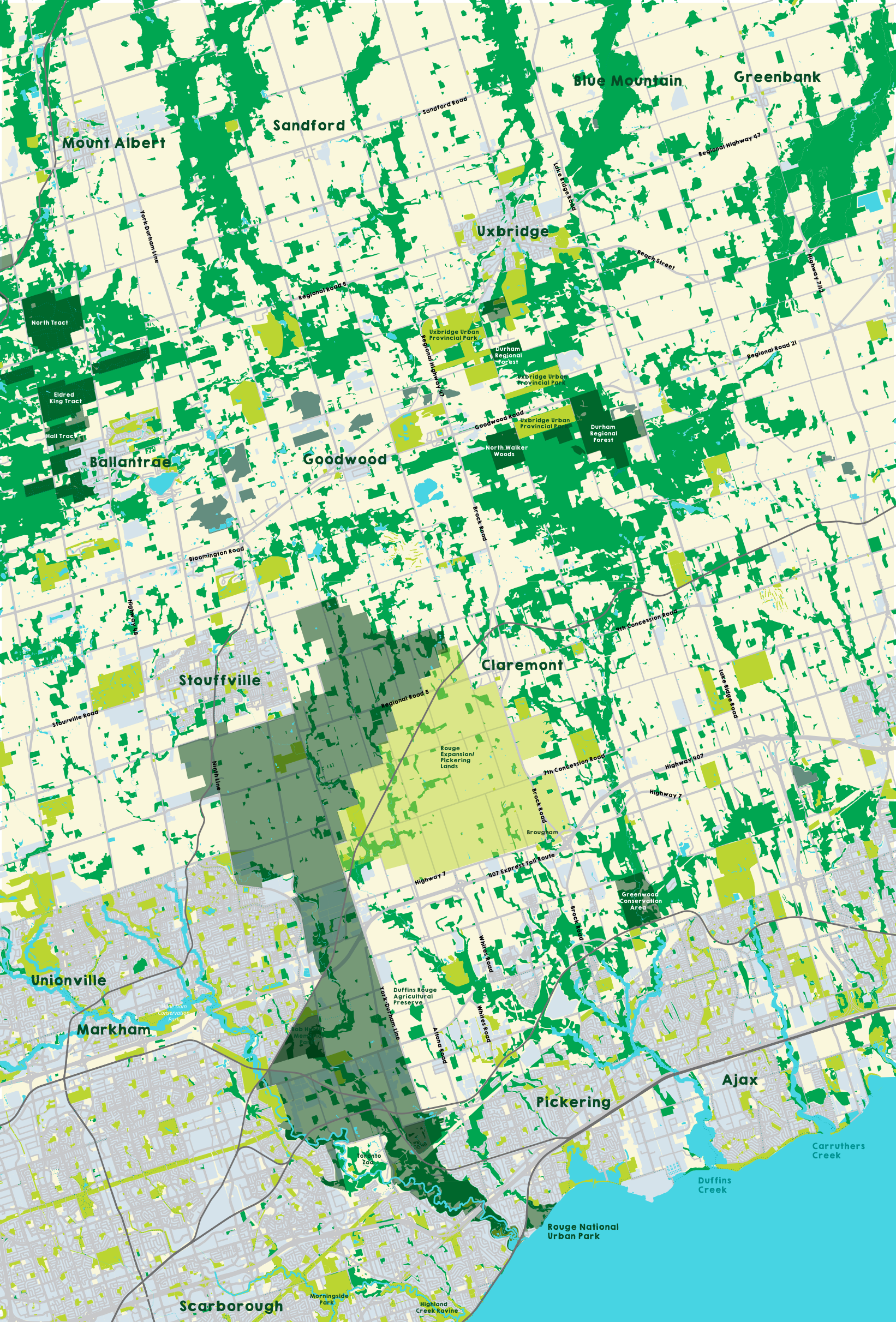

For a high res version of the maps, please click here and here
 Why we care
A natural stronghold against urban sprawl in the Greater Toronto Area (GTA), Rouge Park is home to over 1700 species of plants and animals including 23 species at risk. The Rouge Valley also contains one of Ontario’s best remaining examples of Carolinian Forest and the last intact watershed in the area. With 7 million ha living within an hour’s drive of Rouge Valley, Rouge National Urban Park is an amazing opportunity to educate Canadians about nature and their numerous special connections to it.
The only wildlife corridor from Lake Ontario to the Oak Ridges Moraine, in the Toronto area, is protected by Rouge Park. Potential commercial and industrial development of the “Pickering Lands” poses a serious risk to species, particularly those that require more space to supply all of their habitat needs (such as otter and Great Blue Heron).
 Solution
Prioritize Nature:
In such a busy urban landscape, assuring the long-term health of the park will require strong management tools that prioritize conservation and provide clear guidance for visitor use. The law must clearly state that the protection of ecological integrity is the first priority of the Minister in park management. This was achieved in 2017.
Connected lands:
Adjacent to the park are federally owned “Pickering Lands”. If they are developed, one of the last intact wildlife corridors running from Lake Ontario to the Oak Ridges Moraine would be compromised, which would pose a serious problem for wildlife in the Rouge, and in the entire region.
Better intergovernmental cooperation is required to ensure that these “Pickering Lands” remain permanently protected from urban development.
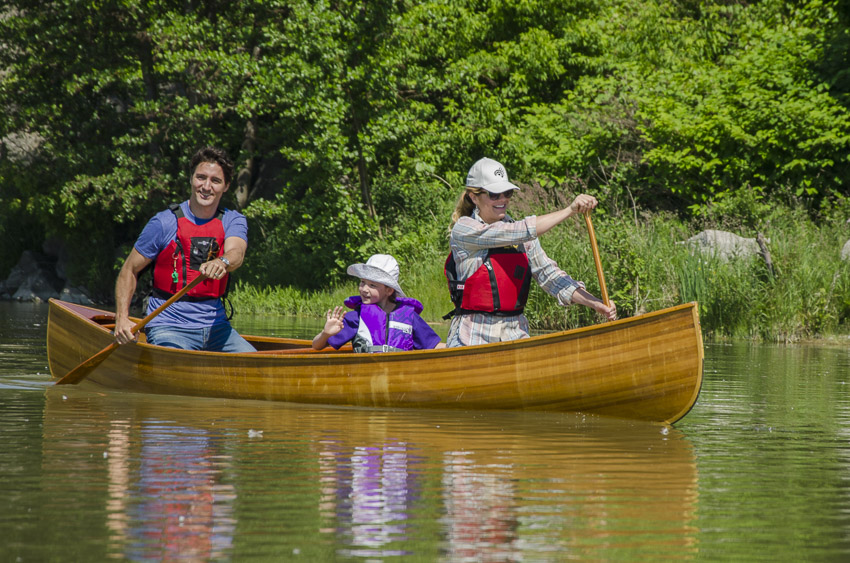
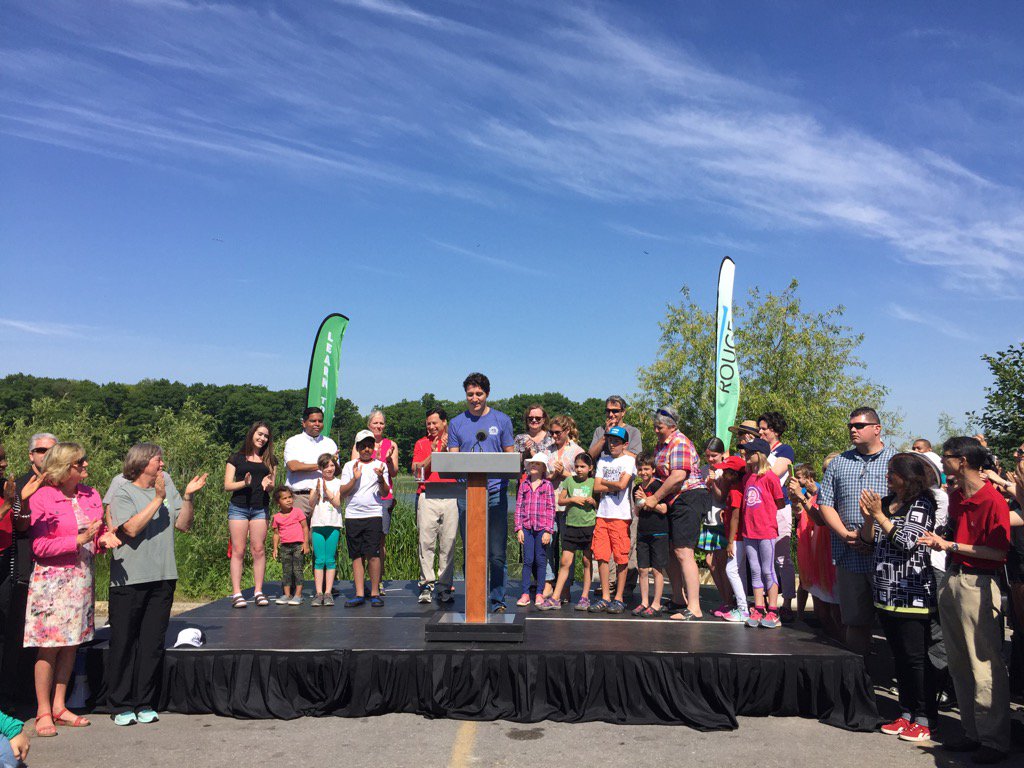
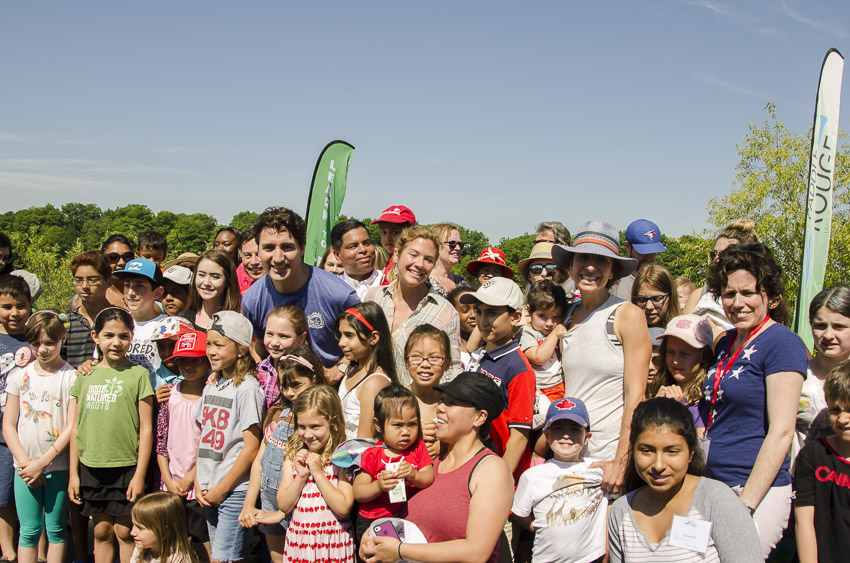
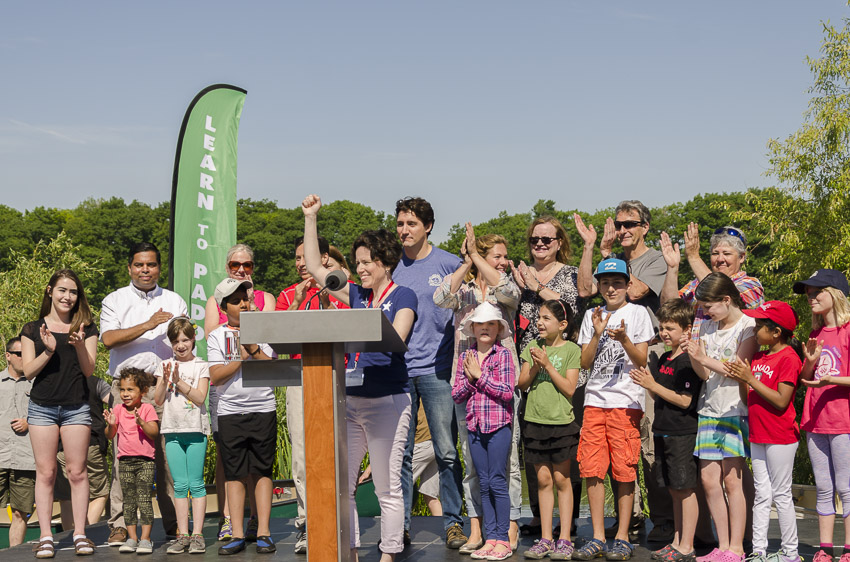
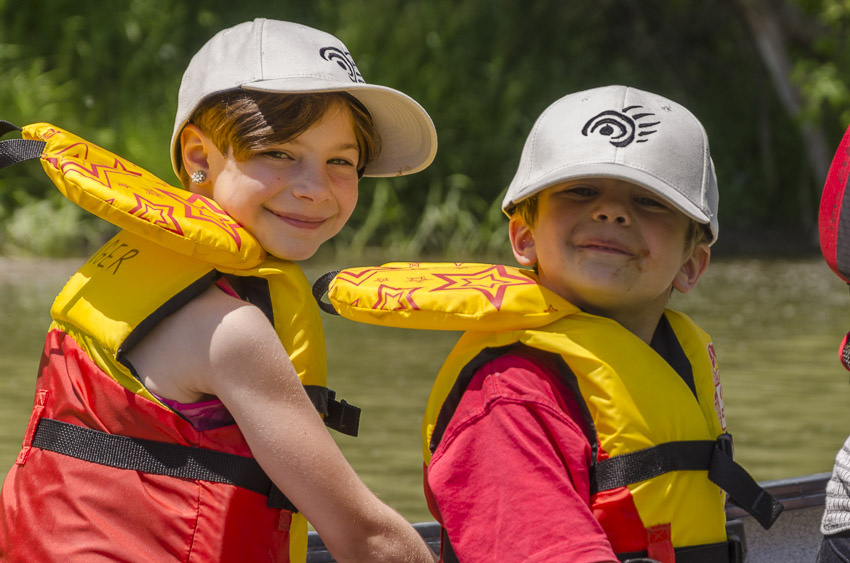
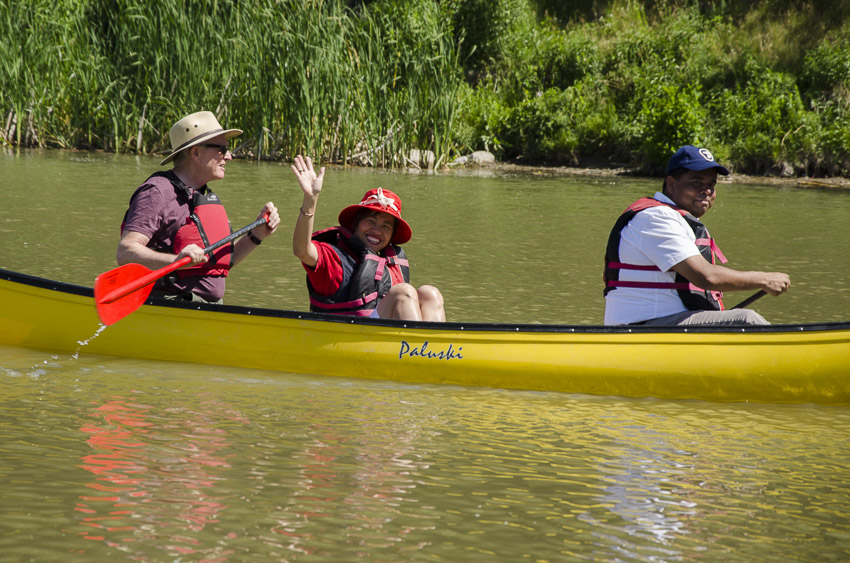
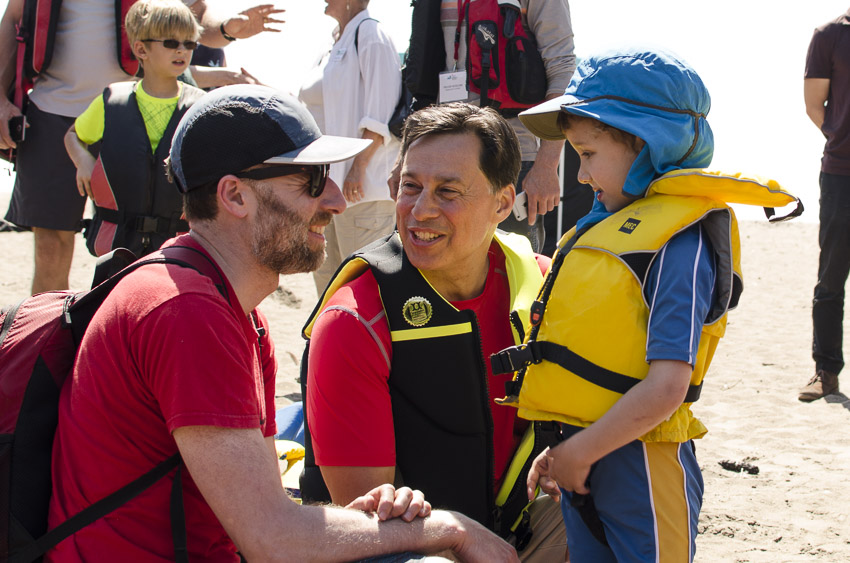
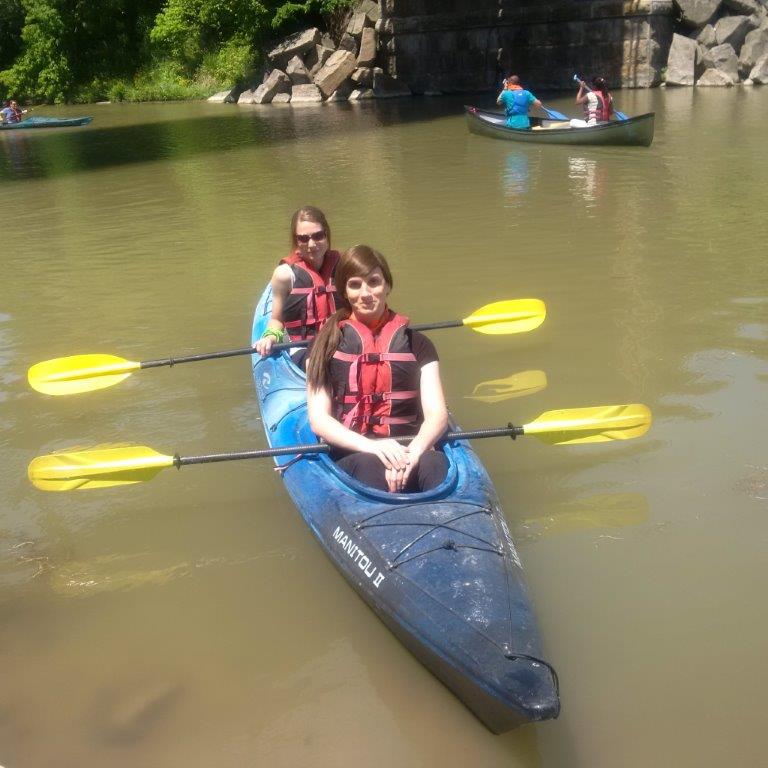
Premier Wynne Paddles the Rouge, June 18, 2017
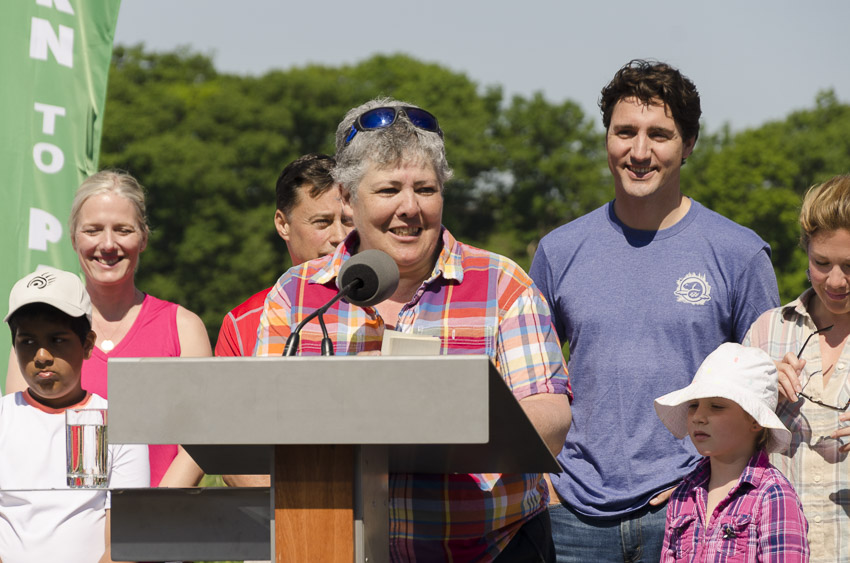
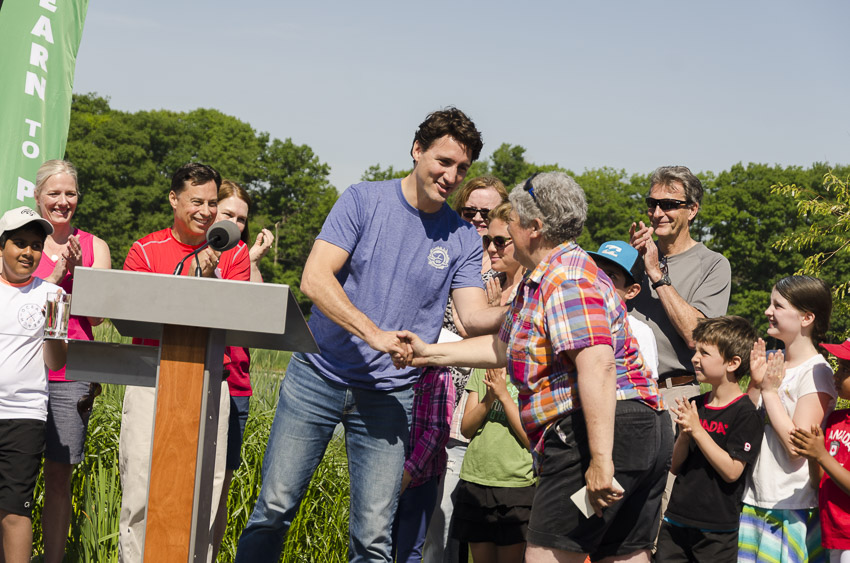
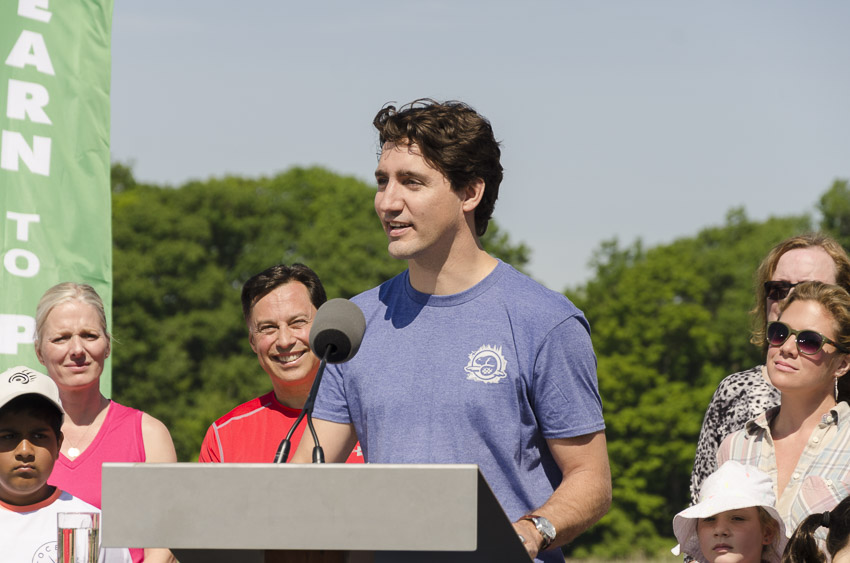
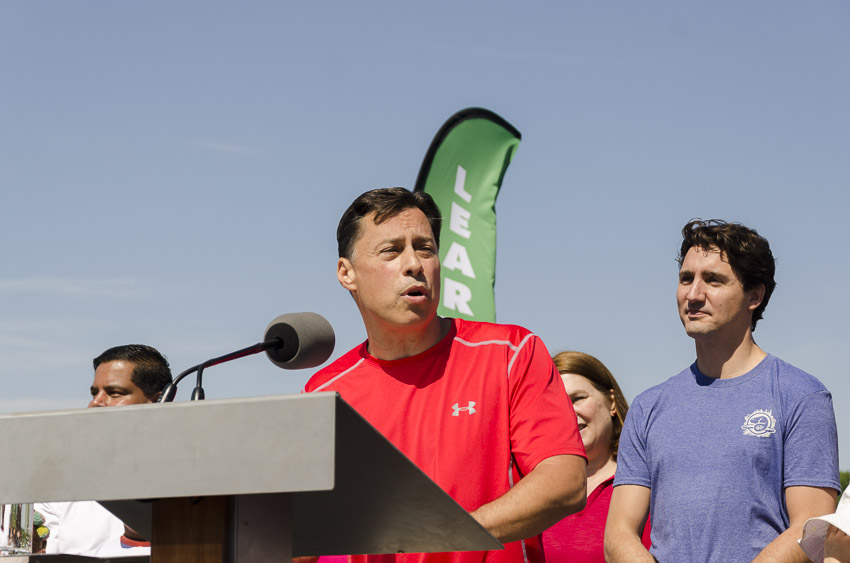
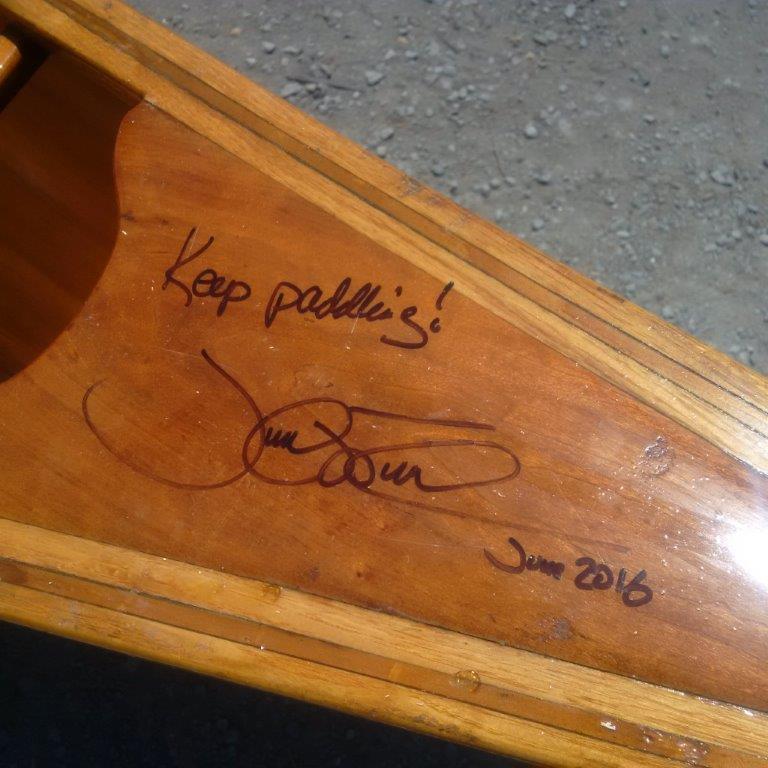
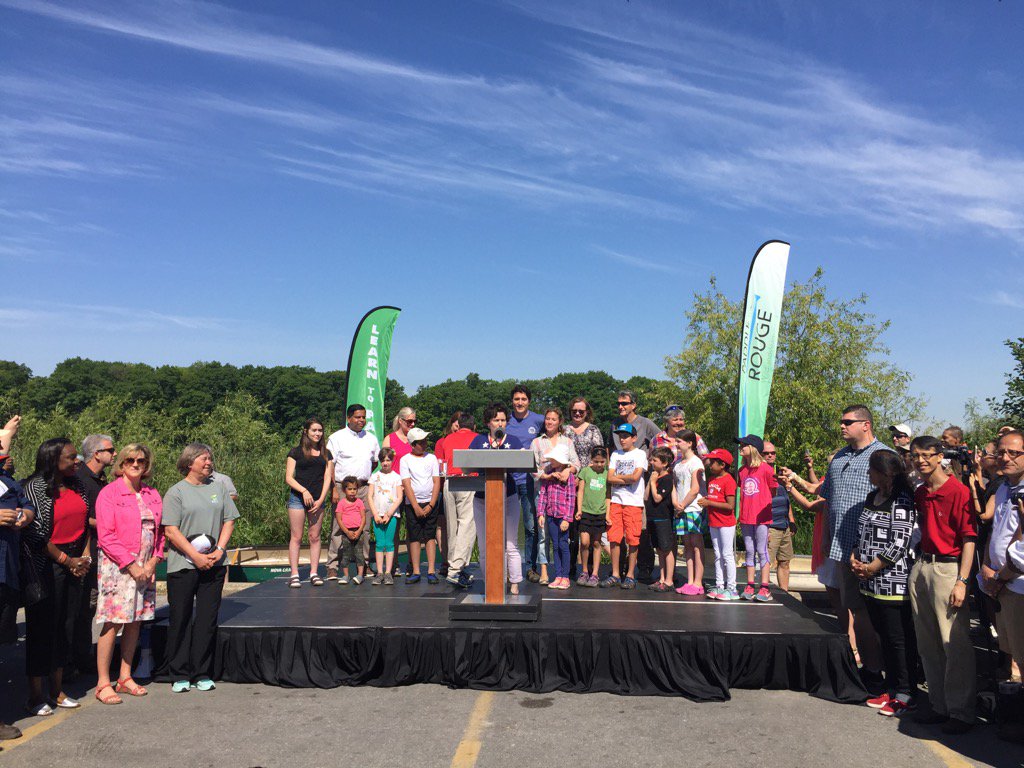
CPAWS Paddles the Rouge with Prime Minister Justin Trudeau, June 18, 2016
CPAWS applauds bill to fix Rouge National Urban Park Act, June 9, 2016
Bill to Create Canada’s First National Urban Park Remains Flawed, March 12, 2015
Statement by environmental groups urges MPs to reject Rouge National Park legislation, November 18, 2014